Home practice
How to Build a Consistent Yoga Routine
Struggling to practise regularly? Practical, realistic ways to build a yoga habit at home - from choosing the right time to what to do when you miss a week.
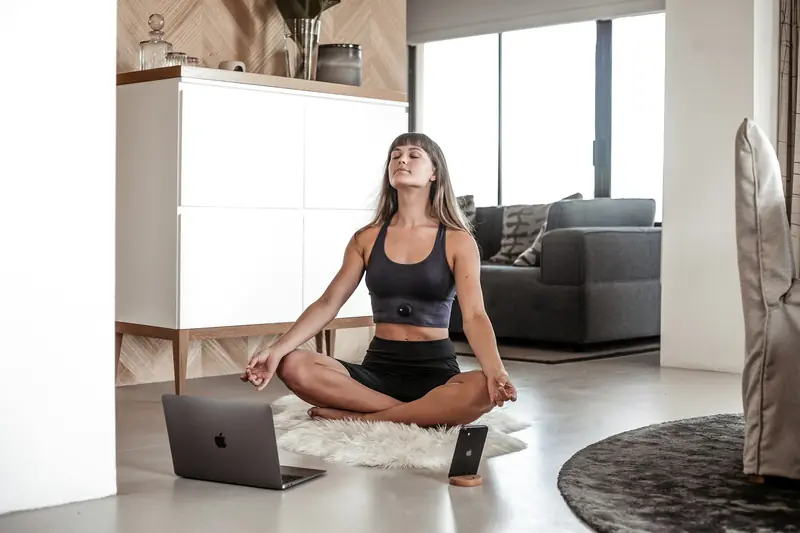
Most people who try yoga at home have the same experience: a great first week, a busy second week, and then the mat stays rolled up in the corner. If that sounds familiar, you are not alone, and it isn't a lack of willpower. Consistency is mostly about making practice easy to start and easy to come back to.
Here are practical ways to build a routine that lasts.
Start smaller than you think
It is tempting to commit to an hour a day. For most people, that plan lasts a few days. Instead, choose something so manageable it feels almost too easy: ten or fifteen minutes, two or three times a week.
You can always do more on days when you feel like it. The goal at the beginning is simply to show up regularly.
Pick specific times
"I'll practise this week" rarely happens. "I'll practise on Tuesday and Thursday at 7.30am, and Sunday afternoon" is far more likely to.
When choosing times, be honest about your week:
- Mornings suit people who like to get things done before the day takes over.
- Lunchtimes can work if you are at home and want a break from the screen.
- Evenings suit people who want to unwind. A slow evening class can become part of a wind-down routine.
Put your sessions in your calendar like any other appointment.
Make starting effortless
Every small obstacle between you and your mat makes it less likely you will practise. Reduce them:
- Keep your mat somewhere visible, or even leave it unrolled.
- Store your props together in a basket.
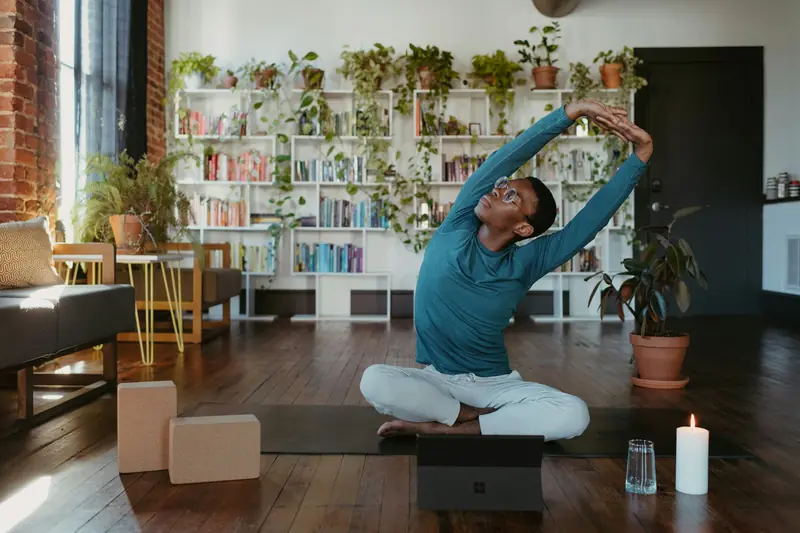
- Set up your device for online classes in advance.
- Decide what you will practise before the session, so you don't spend ten minutes choosing.
Link it to an existing habit
Habits stick more easily when they are attached to something you already do. For example:
- after your morning coffee,
- as soon as you get home from work, or
- straight after putting the children to bed.
Over time, the existing habit becomes the cue for the new one.
Use the power of a booked class
A live class at a fixed time adds gentle accountability. You have made a commitment, someone is expecting you, and you don't have to plan the session yourself. Many people find that one or two live online classes a week act as an anchor for the rest of their practice.
If you would like more structure, a personalised programme combines regular private sessions with a home-practice plan and check-ins.
Keep a simple record
A tick on a calendar or a line in a notebook is enough. Seeing your practice add up can be motivating, and it helps you notice patterns, such as which days you are most likely to skip.
You might also note how you felt before and after. On days when motivation is low, remembering that you usually feel better afterwards can help.
Have a "minimum" version
Some days, a full session isn't going to happen. Decide in advance what your minimum practice looks like, perhaps:
- three slow breaths and a few shoulder rolls, or
- five minutes of gentle stretching before bed.
Doing the minimum keeps the habit alive, and often turns into a little more once you start.
Vary what you do
Doing the same sequence every day can become stale. Mix up the pace and focus across the week: something energising one day, something gentle or stretch-focused another. Variety keeps practice interesting and helps you discover what you enjoy.
Expect to miss sessions
Illness, holidays, work deadlines and family life will all interrupt your routine. That's normal. What matters is coming back. When you return after a break:
- start with a shorter, gentler session,
- don't try to "make up" for missed practice, and
- simply pick up your usual times again.
See yoga as part of an active life
Yoga can be one part of a broader picture. The NHS guidelines suggest adults aim for at least 150 minutes of moderate activity a week, activities that strengthen the major muscles on at least two days, and fewer long periods of sitting. Yoga is listed among the muscle-strengthening examples, and the World Health Organization emphasises that any amount of physical activity is better than none.
So if your yoga routine is two short sessions a week alongside walking or cycling, that is a perfectly good place to be.
A simple plan to start this week
- Choose two or three 15-minute slots and put them in your calendar.
- Set up your mat and props where you can see them.
- Book one live class as your anchor.
- Decide your "minimum" practice for busy days.
- Tick off each session you complete.
Then review after a month. Adjust what isn't working, keep what is, and be kind to yourself along the way.