Getting started
Yoga at Home for Beginners: A Practical Starting Guide
Want to start yoga at home but not sure how? A practical beginner's guide to space, equipment, your first sessions and practising safely.
Starting yoga at home is appealing for obvious reasons: no travel, no feeling self-conscious at the back of a busy studio, and the freedom to practise when it suits you. But it also raises questions. Where do you begin? What do you need? How do you know if you are doing it "right"?
This guide answers the questions most beginners ask, so you can start with confidence and stay safe while you learn.
Start with why you want to practise
Before you think about poses, take a moment to think about what you would like yoga to bring to your week. Perhaps you want to feel less stiff after long days at a desk, have a calmer end to the evening, or simply try something new.
There is no wrong answer, but your reason will shape what kind of practice suits you. Someone looking for a slow, relaxing session will enjoy a very different class from someone who wants to break a sweat. Knowing what you want also makes it easier to keep going when motivation dips.
You don't need to be flexible
The most common worry we hear is "I'm not flexible enough for yoga." Flexibility is not a requirement for starting yoga; it is something that may change gradually as you practise. Every pose can be adapted to the range of movement you have today, usually with simple props such as cushions or a belt.
The same goes for fitness, age and body shape. Yoga is a practice, not a performance.
Find a little space
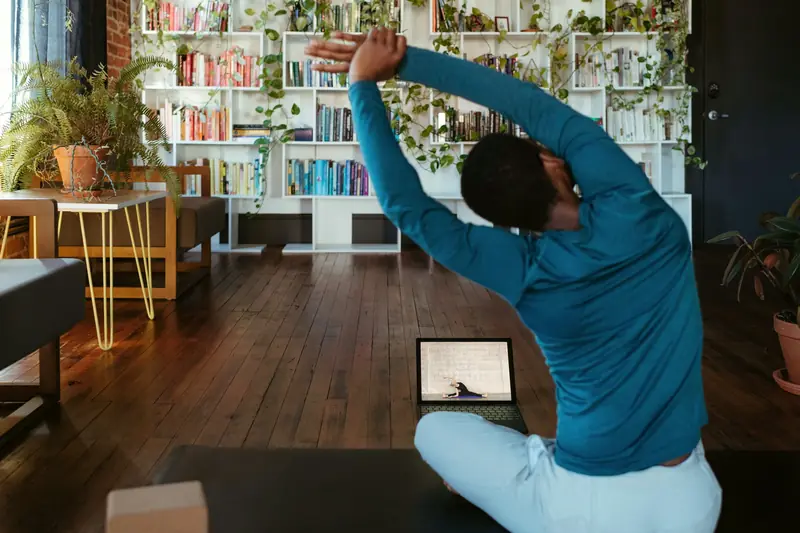
You need less room than you might think: roughly the length of a yoga mat, with enough space to stretch your arms out to the sides and overhead without touching furniture. A clear patch of floor in a living room or bedroom is usually enough.
A few practical tips:
- Choose a floor that is level and not slippery. Wooden floors and low-pile carpets both work with a non-slip mat.
- Move anything you might knock with an outstretched arm or leg.
- If you can, practise somewhere you are unlikely to be interrupted for the length of your session.
Our guide to creating a comfortable yoga space at home goes into more detail.
Gather some simple equipment
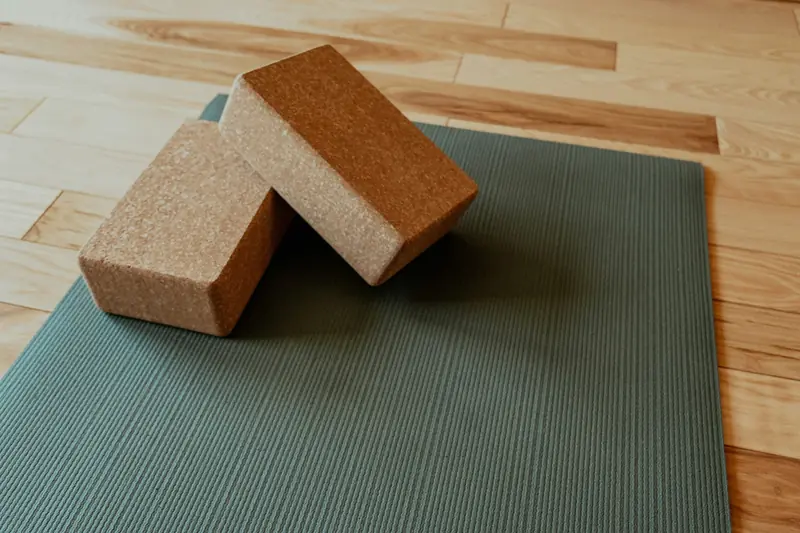
A non-slip yoga mat is the one item most people find worth buying. Beyond that, you can improvise: firm cushions instead of yoga blocks, a dressing-gown belt instead of a strap, and a blanket for the final relaxation. See what equipment you need for home yoga for a full list.
Wear clothes you can move and bend in. Most people practise barefoot so their feet grip the mat.
Choose how you will learn
When you are new, guidance makes a big difference. The US National Center for Complementary and Integrative Health notes that learning yoga on your own without supervision has been associated with increased risks, so it is worth learning the basics from a qualified teacher before practising alone.
At home, that might mean:
- A live online beginner class, where a teacher guides you in real time and you can ask questions. Our beginner yoga classes are designed for exactly this.
- A private session, if you would like individual attention while you learn the foundations. See private yoga sessions.
- Reputable recorded classes, once you are familiar with the basics.
Whichever you choose, look for a teacher who explains how to get into and out of each pose, offers alternatives, and encourages you to rest when you need to.
What to expect in your first sessions
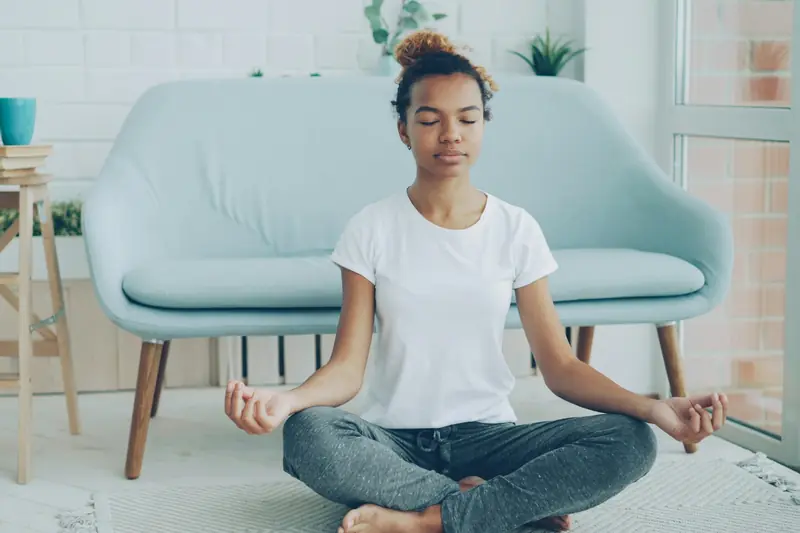
A beginner session usually starts with a few minutes of settling and noticing your breath. You will then move through simple poses, often including:
- Mountain pose: standing tall with your weight evenly spread through both feet.
- Cat-cow: on hands and knees, gently rounding and lengthening the spine.
- Child's pose: kneeling and folding forward to rest, a pose you can return to at any time.
- Gentle lunges and standing poses: building strength and balance.
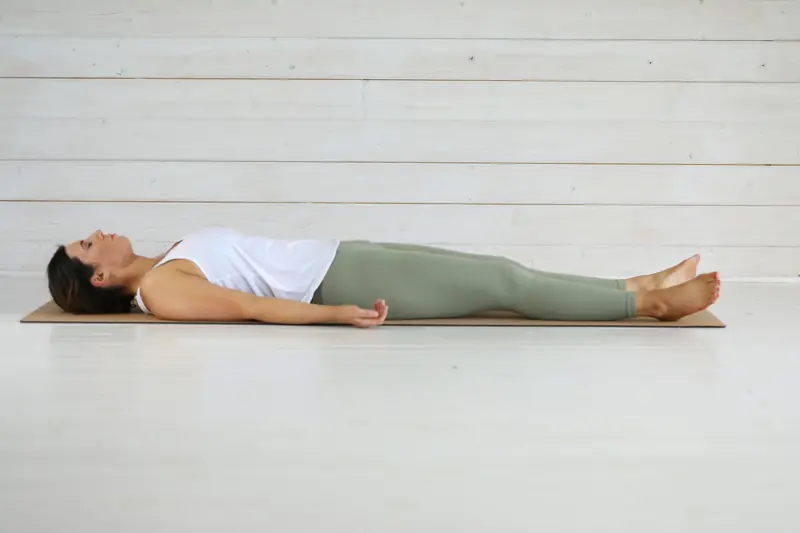
Most classes end with a short relaxation lying down or seated. It can feel strange to "do nothing" at first, but many people come to value it.
Expect to feel a little clumsy at first. Learning where to put your hands and feet takes time, and that is completely normal.
Practise safely
Yoga is generally considered safe for healthy people when practised properly, but injuries such as sprains and strains can happen. A few principles will help:
- Warm up gently. Never jump straight into deep stretches.
- Work within your limits. A mild stretching sensation is fine. Sharp pain, numbness, pins and needles or dizziness are signs to stop.
- Breathe steadily. If you notice you are holding your breath, ease off.
- Avoid advanced poses at first. Beginners are generally advised to avoid more extreme practices such as headstands, shoulder stands and forceful breathing techniques.
- Speak to a professional if you have health concerns. If you are pregnant, have a health condition or injury, or have been inactive for a long time, talk to a qualified healthcare professional about how to adapt your activity.
You will find more detail on our yoga safety page.
How often should you practise?
Little and often tends to work better than occasional long sessions. One or two classes a week, plus a few minutes on other days if you feel like it, is a realistic place to start.
For context, the NHS physical activity guidelines recommend that adults do activities that strengthen the major muscles on at least two days a week, and list yoga among the examples. Yoga can be one part of a varied, active week alongside walking or other activities you enjoy.
Keep it enjoyable
The best home practice is the one you look forward to. If a style of class does not suit you, try another. If 45 minutes feels too long, start with 15. And if you miss a week, simply begin again; there is no streak to break.
Ready to begin?
If you would like a teacher to guide your first steps, explore our beginner yoga classes or book a class. If you have questions first, our FAQ covers the most common ones, or you can contact us.
This article is general information and is not a substitute for individual advice from a qualified healthcare professional.